|
 |
|
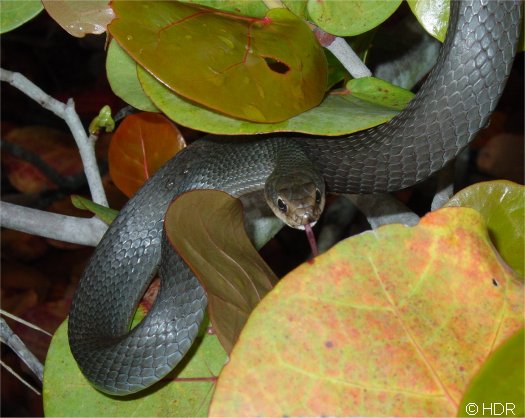
One
from my front yard in 2013. A youngster that looks fresh skinned. Took off
across my driveway and I headed it off. Perhaps from inexperience it
turned and spiralled up into a coiled ball. I just lifted the whole coiled
mass up, walked into my front door and grabbed my camera and walked out
into the light. The snake never blinked. You can see my fingers through
the coils. Happy to have the youngsters in
my yard.
|
 |
|
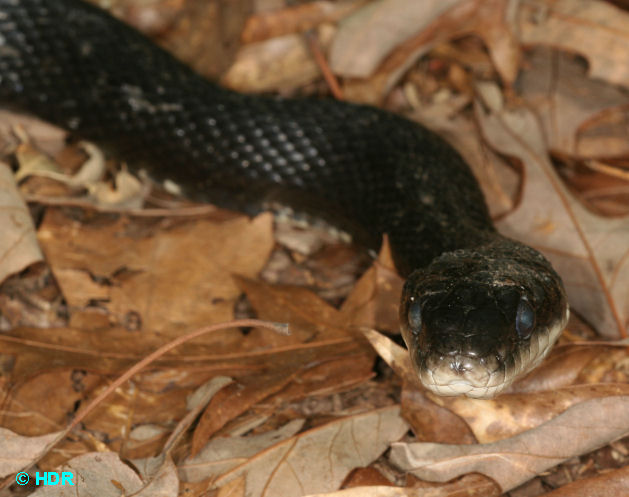
This one seemed to have
taken over the hole back by my building that was once a Coachwhip hole.
Don't know how these species get along but I am assuming not well enough
to share a hole. The slinking head up posture once again. |
 |
|
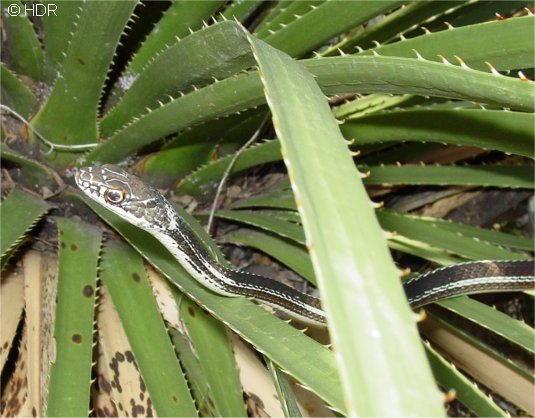
Okay, now I am just
collecting Racer shots in the hunt/head-up/cobra position. This one from
the north end of Lonoke county in 2017. |
 |
|
Racer fresh and fast in
the yard in 2019. This one would not tolerate being scooped up. But I
tracked him around the yard. He stayed a few days and hid in the brush
pile out front to range from there.
|
 |
|
This four footer was
hanging around the woodpile and the yard for a week in 2020. I finally
cornered her up under my office window and she was annoyed. Tail rattling
and flexing. Look at those gaps in the scales while she inflated for
maximum hissing. I did not grab her.
|
 |
|
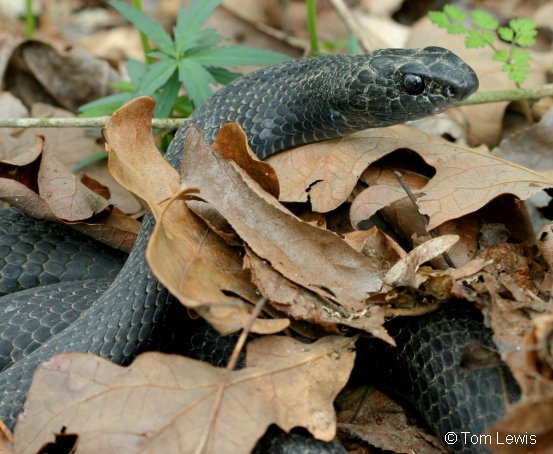
Masticophus
flagellum flagellum, the Eastern Coachwhip, in the dark form that is
found only in the Arkansas and Oklahoma regions. These always look scaly
to me. And the black scales usually have pale edgings and appear to be
lifting at their rear edges. Note the scale crowding at the neck just
behind the head. And the face that looks shorter and more arched in the
eye. They appear snub-nosed to me. Whereas the Racers and Rat snakes appear
more open-faced.
These things are
land-based rockets. Once frightened they are a vanishing trick. Attempts
to catch them are relatively futile but can result in heavy non-venomous
injury due to tearing teeth and a wild, flagellant attachment to freedom. |